
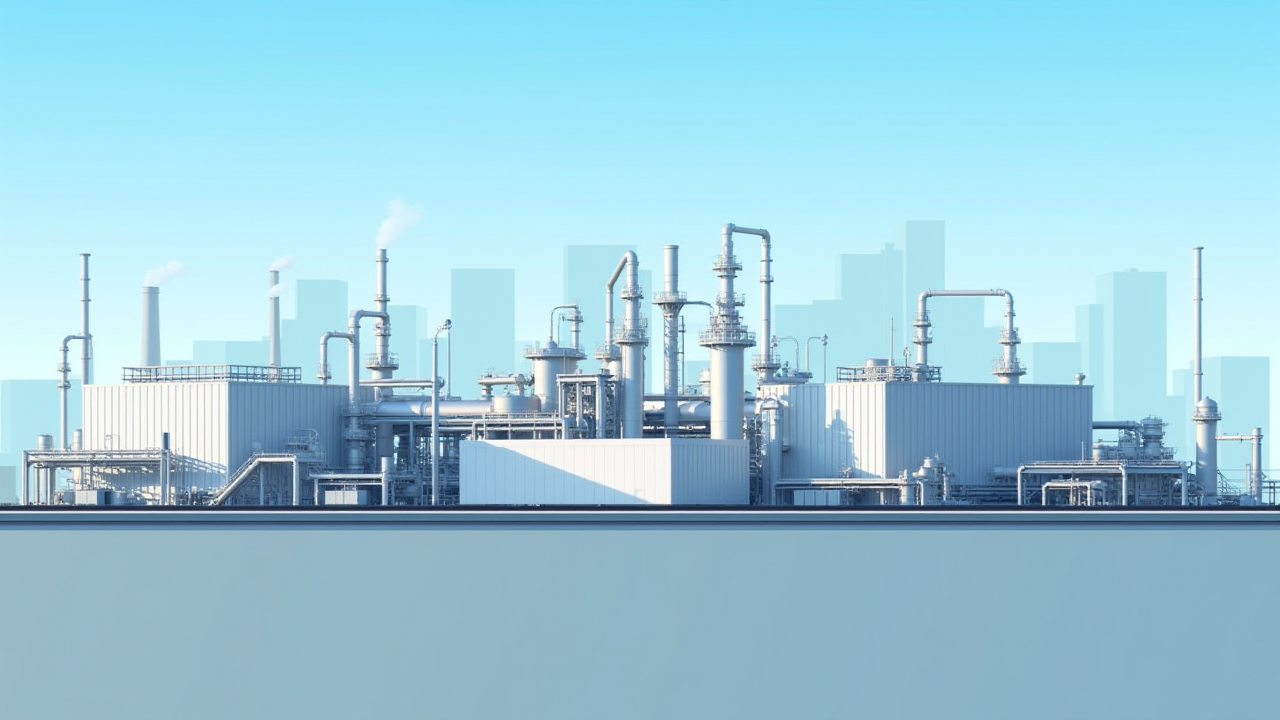
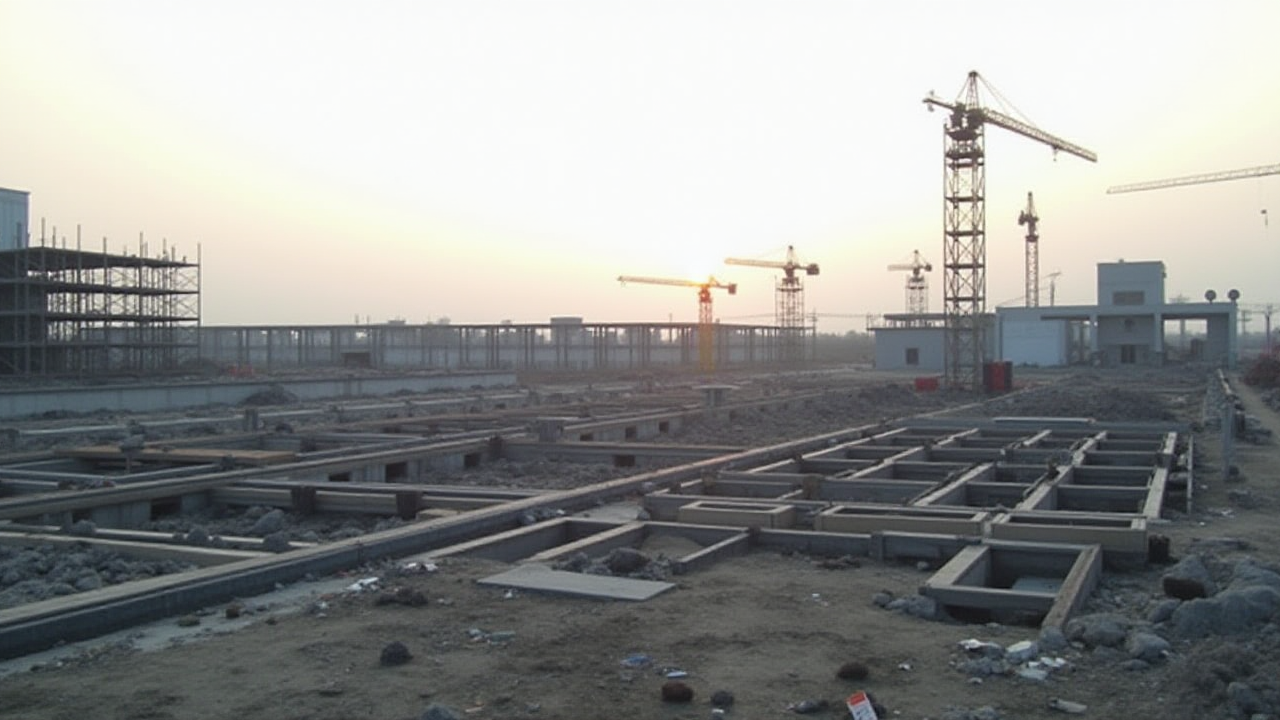
Building new lithium supply in the United States is a capital-intensive, multi-year undertaking. The Department of Energy's Loan Programs Office committed $2.26 billion in October 2024 to finance processing facilities at a Nevada lithium project expected to produce approximately 40,000 tonnes per year of battery-grade lithium carbonate once fully operational. That project broke ground in March 2023 and targets mechanical completion of its first phase in late 2027.
Those numbers are not a criticism. They are what building primary lithium capacity costs and how long it takes. The point worth making is narrower: recycled lithium carbonate reaches the supply chain on a different timeline and a different capital base, and the two routes are answering different questions.
Talk to Green Li-ion
For Green Li-ion technology enquiries, sales discussions, and collaboration opportunities, contact Matthew Cooper, VP of Business Development, USA and China.
Connect with Matthew on LinkedIn or contact Green Li-ion directly.
Where the Time Goes in a Greenfield Project
A primary lithium project moves through a sequence that has to be completed in order. Resource definition, permitting, financing, construction, commissioning, and ramp to nameplate. Each stage gates the next.
The Nevada project referenced above illustrates the shape. Construction alone was estimated at three years in the loan documentation, with capitalized interest accruing across that period built into the loan amount. Groundbreaking was in March 2023. Mechanical completion of phase one is targeted for late 2027. Commissioning and ramp follow mechanical completion rather than coinciding with it.
None of that is unusual or avoidable. Building a mine and an associated chemical plant on a greenfield site takes the time it takes, and the projects that do it well are doing genuinely difficult work. But a cell manufacturer that needs qualified lithium units in 2027 cannot decide in 2026 to open a mine.
Recycled lithium carbonate skips the first two stages entirely. There is no orebody to define and no mine to permit, because the lithium has already been mined, refined, and put into a cell. What remains is the processing step.
What Recycled Lithium Carbonate Actually Requires
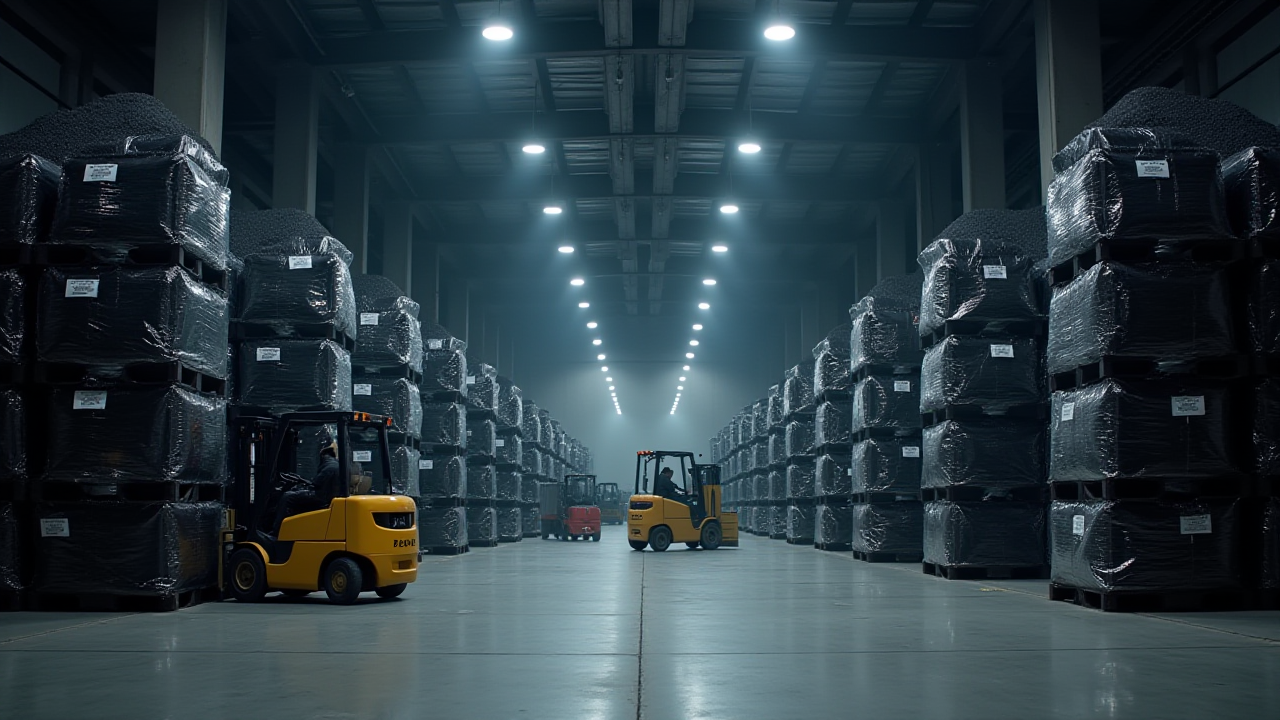
The input is battery material already inside the domestic economy: cell manufacturing production scrap coming off gigafactory lines now, and end-of-life packs following the vehicle fleet. Both streams are processed into black mass, and lithium is recovered from that black mass through a hydrometallurgical circuit.
The facility required to do that is a chemical plant. It needs leaching, separation, precipitation, filtration, and effluent handling, and it needs permitting appropriate to those operations. That is not trivial, and anyone describing recycling as simple is overselling it.
What it does not need is a mine. It does not need a resource definition program, a mine plan, an overburden strategy, a tailings facility, or the permitting sequence that attaches to opening ground. Those are the elements that put years on the front of a greenfield schedule, and they are absent from the recycling route by construction rather than by cleverness.
The consequence is a different unit of deployment. Capacity is added as processing lines rather than as a single completed project, and each line can operate before the next one is committed. Green Li-ion's plant at Atoka, Oklahoma runs modular GREEN HYDROREJUVENATION™ lines that convert unsorted black mass of mixed chemistries into precursor cathode active material, technical-grade lithium carbonate, recycled graphite, and NCM hydroxide, with pCAM produced at 99 percent purity through a single-step conversion.
The Capital Question Is About Increments, Not Totals
Comparing a $2.26 billion loan to the cost of a recycling line invites a misleading arithmetic, and it is worth being careful here.
The loan finances processing facilities within a much larger project, and the total project capital is higher than the loan amount. Dividing loan principal by nameplate capacity produces a number, but that number is not a like-for-like unit cost and should not be presented as one. Anyone doing that comparison seriously needs the full capital stack on both sides, and the recycling side generally carries a higher installed cost per tonne of capacity than a large integrated project does, because the fixed elements repeat with each line.
The meaningful difference is not cost per tonne. It is the size and reversibility of the commitment.
A greenfield project commits its capital at the front, against a production date years out, and the capital is spent whether or not the demand environment at commissioning matches the one at financial close. An incremental line commits a smaller amount, produces revenue sooner, and generates operating data that informs the next decision. Paying more per tonne of capacity in exchange for committing less at a time and learning between commitments is a real trade, and which side of it makes sense depends on the balance sheet and the time horizon.
For a cell manufacturer or cathode producer, that translates into a supply question rather than a capital one. A supplier whose capacity grows in increments can scale alongside a customer's demand rather than requiring the customer to wait for a single completion date.
Why the Feedstock Is Already in the Country
There is a second-order point in the timing argument that gets less attention than it deserves.
Primary lithium supply originates where the geology is, which for the United States means a small number of specific locations, each requiring its own permitting sequence. Recycled feedstock originates wherever batteries were sold and used, which means it is distributed across every state with a vehicle fleet and a consumer electronics base.
That distribution has a practical consequence for siting. A recycling facility can be placed near where the material is generated rather than where a deposit happens to sit. Siting is still constrained by utilities, effluent handling, workforce, and local approvals, so the geography widens rather than becoming free. But the constraint is different in kind from being fixed to an orebody.
It also means the domestic feedstock base grows automatically as cells are manufactured and vehicles are sold. Every battery entering the domestic fleet adds to the recoverable inventory on a delay set by its service life. No exploration programme produces that.
What Recycled Lithium Carbonate Cannot Do
Three limits belong in any honest version of this argument, and leaving them out would make the rest of it easier to dismiss.
Volume. Recycling cannot substitute for primary supply at the scale the battery buildout requires. A single greenfield phase targeting 40,000 tonnes per year of lithium carbonate is larger than the recycled lithium output of the entire domestic sector today. Recycling supplies units, and it supplies them sooner, but the growth in global battery demand is met by new primary production. Anyone claiming otherwise is not reading the numbers.
Feedstock. Recycled output is capped by what enters the recycling stream, and that is determined by cell manufacturing volumes and by vehicle retirement curves rather than by how much capacity a recycler builds. Building more processing capacity than there is feedstock to run through it does not produce more lithium. This is the constraint that most often gets skipped when recycling is presented as a substitute rather than a complement.
Grade. This one matters commercially and is frequently blurred. Technical-grade lithium carbonate and battery-grade lithium carbonate are different products with different specifications and different buyers. Green Li-ion produces technical-grade lithium carbonate. The greenfield project referenced in this article targets battery-quality material. Those are not interchangeable, and a procurement conversation that treats them as equivalent will go badly for both parties. Technical-grade material has its own established markets and its own value, and further upgrading to battery grade is a separate processing step.
Federal Policy Is Funding Both Routes
The framing of recycling against mining does not match how the Department of Energy has actually allocated money.
In March 2026, DOE's Office of Critical Minerals and Energy Innovation announced a notice of funding opportunity for up to $500 million to expand United States critical mineral and materials processing and derivative battery manufacturing and recycling. Processing, manufacturing, and recycling appear in the same instrument. The Loan Programs Office commitment to the Nevada project sits alongside that, not opposite it.
That is consistent with how the underlying categories are defined. Lithium is a designated critical mineral, and recovered lithium sits in the same commodity category as mined lithium, a structure we work through in our analysis of critical minerals versus critical materials. The designation attaches to the material, not to the route it took.
The policy read is that both routes are being supported because both are needed, on different timescales. Primary production builds the structural supply base for a growing market. Recycled units address the near-term gap and reduce exposure to imported material while that base is under construction.
What This Means for Procurement
Three practical observations follow.
The first is about timing rather than preference. A buyer that needs domestic lithium units before the end of the decade has a shorter list of routes than a buyer whose requirement starts in the 2030s. Recycled lithium carbonate is available on the shorter timeline. That is a scheduling fact, not an argument that it is better.
The second is about grade specification, and it is the question that most often derails a recycled lithium carbonate conversation. Any conversation about recycled lithium supply should establish at the outset whether the requirement is technical grade or battery grade, because the answer determines which suppliers are relevant and what additional processing is needed. Getting this wrong late is expensive.
The third is about supply security. Recovered material originates inside the domestic economy rather than crossing a border, which addresses exposure that imported units carry regardless of where they were mined. The relevance of that has increased since the recent restrictions on black mass exports, which we cover in our breakdown of the BIS Directive Allocation Order.
Procurement teams evaluating recycled lithium units alongside primary supply can begin partnership conversations with qualified recyclers such as Green Li-ion, with the grade question settled early.
The Honest Summary
A greenfield lithium project financed with a $2.26 billion federal loan, targeting 40,000 tonnes per year, broke ground in March 2023 and targets mechanical completion of phase one in late 2027. That is what building primary capacity takes.
Recycled lithium carbonate reaches the market on a different schedule because the mining and permitting stages are already behind it. The lithium has been mined once. Recovering it requires a chemical plant, which is a real undertaking, but not a mine.
The capital comparison is about commitment size and reversibility rather than cost per tonne. Incremental capacity typically costs more per tonne installed and commits less at a time, which is a trade rather than a free advantage.
Three limits are non-negotiable in this argument. Recycling cannot meet the volume that primary production meets. Recycled output is capped by feedstock rather than by capacity. And technical-grade lithium carbonate is not battery-grade lithium carbonate, which is the distinction most likely to cause a problem in a procurement conversation if it is left unstated.
Federal funding has gone to both routes, in the same programs, which is the clearest available signal that this is not a competition. The useful question is not which route is better. It is which one can deliver units on the timeline a given buyer is working to.

.svg)