

European Commission's 2026 Recycled Content Targets: How Minimum Thresholds Reshape Battery Manufacturing Supply Chains
The European Union's Battery Regulation 2023/1542 establishes unprecedented mandatory minimum recycled content requirements that fundamentally restructure global battery manufacturing supply chains, creating legally binding obligations for cobalt, lithium, nickel, and lead recovery that take effect August 18, 2031 for electric vehicle, industrial, and starting-lighting-ignition batteries. These requirements represent the world's first comprehensive recycled content mandates for battery production, setting thresholds at 16% for cobalt, 6% for lithium, 6% for nickel, and 85% for lead by 2031, with progressive increases to 26% cobalt, 12% lithium, and 15% nickel by August 18, 2036. The regulation's phased implementation timeline creates immediate supply chain implications as manufacturers must begin securing access to high-quality recycled materials well in advance of compliance deadlines to establish reliable procurement relationships, validate material quality, and integrate secondary feedstocks into production processes.
According to EUR-Lex documentation of the regulation, recycled content requirements apply to all batteries placed on the European market regardless of manufacturing location, creating extraterritorial compliance obligations that extend far beyond the European Union's geographic boundaries. Battery manufacturers serving European customers must demonstrate that their products contain specified minimum percentages of recycled cobalt, lead, lithium, and nickel derived from either battery manufacturing waste or post-consumer waste streams, with stringent documentation requirements and third-party verification protocols ensuring authenticity of recycled material claims. This regulatory framework creates structural demand for secondary battery materials that persists regardless of primary commodity price fluctuations, establishing floor prices for recycled materials and incentivizing substantial investment in advanced recycling infrastructure capable of producing battery-grade materials meeting cell manufacturer specifications.
Regulatory Timeline and Implementation Milestones
The European Commission structured recycled content obligations through carefully sequenced implementation phases that balance ambitious environmental objectives against practical industry adoption timelines and technology development requirements. Carbon footprint declarations for electric vehicle batteries, rechargeable industrial batteries exceeding 2 kWh capacity, and light means of transport batteries became mandatory in 2025 using Commission-established methodology and format acts, creating baseline data collection infrastructure essential for subsequent recycled content verification. These declarations quantify total greenhouse gas emissions across the entire battery production process from raw material extraction through cell manufacturing, establishing transparent environmental performance metrics that enable comparative assessment across competing products and manufacturing processes.
Recycled content disclosure requirements take effect August 18, 2028 for electric vehicle, starting-lighting-ignition, and specified industrial batteries, with light means of transport battery disclosure delayed until August 18, 2033 to accommodate distinct market characteristics and manufacturing timelines in this emerging sector. According to CMS Law analysis, disclosure obligations require manufacturers to publicly report actual recycled content percentages for cobalt, lead, lithium, and nickel contained within batteries, creating transparency that enables market participants, regulatory authorities, and environmental organizations to track industry progress toward eventual mandatory thresholds. This disclosure period serves critical preparatory functions, allowing manufacturers to develop supply chain tracking systems, establish relationships with recyclers producing battery-grade materials, and validate material quality across multiple production cycles before binding minimum thresholds take effect.
Mandatory minimum recycled content percentages become enforceable August 18, 2031 for electric vehicle batteries, starting-lighting-ignition batteries, and industrial batteries exceeding 2 kWh capacity, creating immediate market access restrictions for non-compliant products. Batteries placed on the European market after this date must demonstrably contain at minimum 16% recycled cobalt, 6% recycled lithium, 6% recycled nickel, and 85% recycled lead, with manufacturers bearing burden of proof through comprehensive documentation and third-party verification. Light means of transport batteries face delayed compliance until August 18, 2036, acknowledging the sector's relative immaturity and providing extended timeline for supply chain development in this rapidly evolving market segment. The 2036 milestone simultaneously raises thresholds for electric vehicle, starting-lighting-ignition, and industrial batteries to 26% recycled cobalt, 12% recycled lithium, and 15% recycled nickel, maintaining regulatory pressure for continuous improvement in material circularity.
The regulation incorporates flexibility mechanisms allowing the European Commission to adjust recycled content targets through delegated acts based on demonstrated changes in material availability, technical feasibility of recovery processes, and time required for economic operators to adapt supply and manufacturing systems. According to Circularise regulatory analysis, this adaptability clause acknowledges uncertainty regarding future battery chemistry evolution, recycling technology advancement, and end-of-life battery availability, creating structured processes for evidence-based target modifications if market conditions or technological capabilities diverge substantially from initial projections. However, adjustment mechanisms require rigorous demonstration of material supply constraints or technical impossibility rather than mere economic inconvenience, maintaining regulatory ambition while preventing industry from exploiting modification procedures to avoid legitimate compliance obligations.
Material Recovery Requirements and Recycling Infrastructure Implications
Recycled content mandates create derivative demand for advanced recycling infrastructure capable of achieving the stringent material recovery efficiency thresholds established in parallel provisions of the Battery Regulation. The European Commission's July 2025 delegated regulation on recycling efficiency calculation establishes that recyclers must achieve minimum recovery rates of 90% for cobalt, copper, lead, and nickel by December 31, 2027, increasing to 95% by December 31, 2031. Lithium recovery requirements begin at 50% by end of 2027, rising to 80% by end of 2031, acknowledging historical technical challenges and economic barriers that historically discouraged lithium recycling compared to higher-value cobalt and nickel recovery.
These material recovery targets determine the maximum theoretical recycled content achievable within the European battery industry, creating direct linkage between recycling technology capabilities and manufacturers' ability to source sufficient secondary materials for regulatory compliance. If European recyclers collectively achieve only baseline 90% cobalt recovery rather than advancing to 95% efficiency, available recycled cobalt supply decreases proportionally, potentially creating supply constraints that elevate secondary material prices and complicate manufacturer procurement strategies. Conversely, recyclers exceeding regulatory minimums through deployment of advanced hydrometallurgical processing technologies like GREEN HYDROREJUVENATION™ create competitive advantages by expanding available secondary material supply and potentially commanding premium pricing from manufacturers seeking assured access to high-quality recycled feedstocks.
The regulation's methodology for calculating recycling efficiency and material recovery rates, developed with substantial input from the Joint Research Centre and industry stakeholders, establishes harmonized documentation formats that recyclers must submit to Member State authorities demonstrating compliance achievements. This standardization prevents competitive distortions that could arise from divergent national calculation methodologies while creating transparency enabling battery manufacturers to objectively compare recycler performance when selecting supply partners. According to Transport & Environment research, hydrometallurgical recycling processes currently demonstrate capability to recover up to 95% of nickel, cobalt, and copper from black mass feedstock, with leading operators achieving 90-95% lithium recovery rates that exceed regulatory minimums and position these facilities as preferred suppliers for manufacturers requiring assured secondary material access.
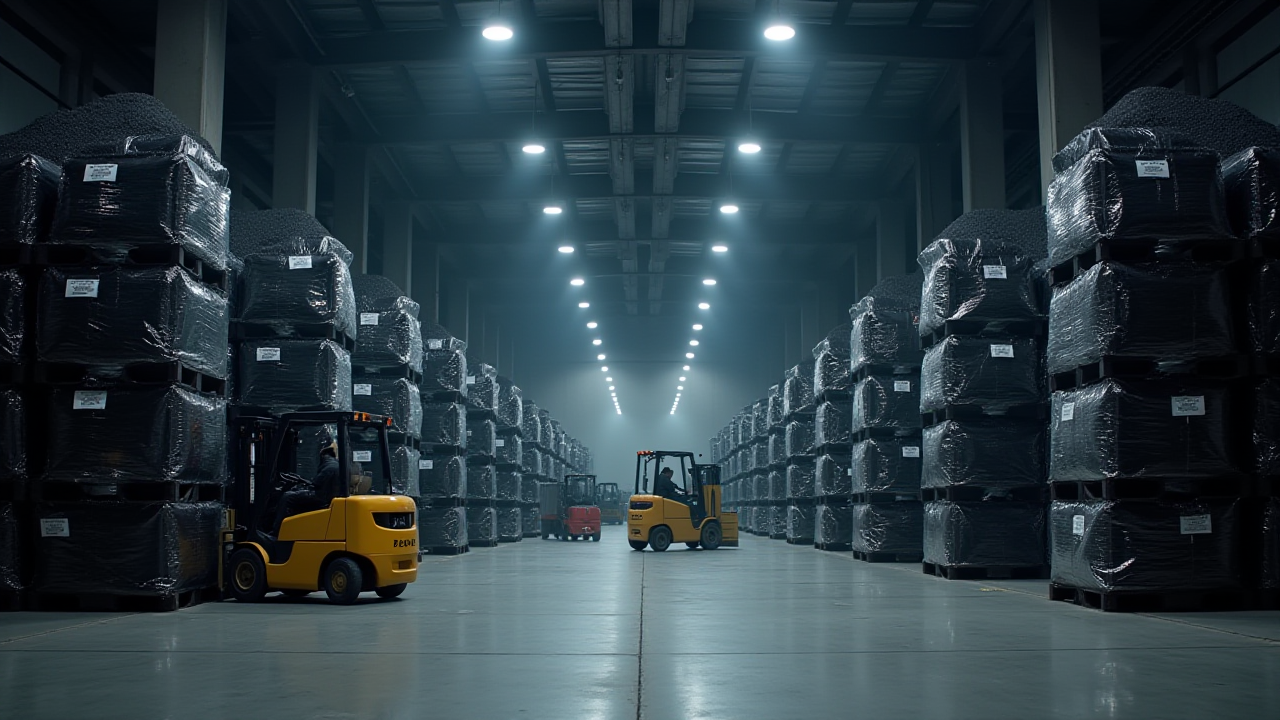
Battery manufacturing waste represents a critical near-term source of recycled content, with the regulation explicitly recognizing production scrap as eligible material for recycled content calculations provided it undergoes identical recycling processes as post-consumer waste. European gigafactory construction creates substantial manufacturing waste streams during production ramp-up periods, with quality control processes, testing protocols, and equipment calibration generating batteries that cannot enter commercial sale but retain full material content suitable for recycling. Transport & Environment analysis projects that battery production scrap will peak around 2030 as gigafactories achieve full operational efficiency, representing the primary recycled material source during the critical 2028-2033 period when manufacturers establish supply chains ahead of mandatory 2031 compliance deadlines. This manufacturing waste availability creates transitional period advantages for European battery producers with captive recycling operations or exclusive supply agreements with regional recyclers.
Supply Chain Transformation and Procurement Strategy Evolution
Mandatory recycled content requirements fundamentally alter battery manufacturers' procurement strategies, material sourcing geographies, and supplier relationship structures as companies transition from optional sustainability initiatives to legally binding material composition obligations. Traditional battery supply chains optimized exclusively for cost minimization and supply security must incorporate new dimensions evaluating recycler reliability, secondary material quality consistency, and regulatory compliance documentation capabilities. Manufacturers historically purchasing 100% virgin lithium, cobalt, and nickel from mining companies and refiners must now allocate substantial procurement volumes to recycled material suppliers, creating competitive dynamics where recyclers with proven track records of battery-grade material production command negotiating leverage previously reserved for major mining operations.
According to Transport & Environment's comprehensive analysis, European end-of-life batteries and gigafactory production scrap can provide 14% of lithium demand, 16% of nickel demand, 17% of manganese demand, and 25% of cobalt demand by 2030, with volumes sufficient to produce between 1.3 and 2.4 million electric vehicles using locally recycled materials. By 2035, recycled material availability expands to support 2.0 to 9.9 million electric vehicles, rising to 3.8 to 15.4 million vehicles by 2040 as first-generation electric vehicle batteries reach end-of-life and enter recycling streams at scale. These projections demonstrate that aggregate European recycled material supply substantially exceeds regulatory minimums, suggesting that compliance feasibility depends primarily on supply chain coordination and material quality rather than absolute availability constraints.
However, recycled material distribution across manufacturers remains highly uneven, creating competitive advantages for vertically integrated producers with captive recycling operations or exclusive long-term supply agreements with major recyclers. Northvolt's Revolt facility in Sweden, Umicore's Belgian operations, and emerging facilities across France, Germany, and Poland create preferential access opportunities for battery manufacturers willing to commit to multi-year offtake agreements providing recyclers with demand certainty justifying capital-intensive infrastructure investments. Manufacturers lacking established recycler relationships face intensifying competition for available secondary materials as 2031 compliance deadlines approach, potentially driving premium pricing for spot market recycled materials compared to contracted supply arrangements established years in advance.
The regulation's extraterritorial application creates particularly complex dynamics for Asian battery manufacturers serving European markets, who must either establish European recycling partnerships or demonstrate that batteries manufactured in Asia incorporate recycled materials meeting European verification standards. Chinese, Korean, and Japanese cell producers historically optimized supply chains for Asian raw material sources and domestic recycling infrastructure face substantial adaptation requirements to achieve European recycled content compliance while maintaining cost competitiveness against European manufacturers with geographic proximity advantages to regional recycling facilities. Some Asian producers respond by establishing European subsidiary operations with local recycling partnerships, while others pursue global recycling networks capable of supplying verified recycled materials to manufacturing facilities regardless of location.
Digital Battery Passport Integration and Verification Systems
Recycled content verification relies heavily on the digital battery passport system mandated for all electric vehicle batteries, light means of transport batteries, and industrial rechargeable batteries exceeding 2 kWh capacity from February 2027. These digital passports contain comprehensive information on battery manufacturing history, chemical composition, carbon footprint, recycled content percentages, and supply chain due diligence results, accessible via QR codes and stored in centralized electronic exchange systems managed by the European Commission. According to Flash Battery regulatory analysis, passport requirements create unprecedented transparency throughout battery lifecycles, enabling regulatory authorities, consumers, and downstream users to verify recycled content claims through authenticated digital records rather than relying solely on manufacturer declarations.
The passport system establishes chain-of-custody documentation tracking recycled materials from collection through processing to incorporation in new battery production, creating audit trails that substantiate compliance claims and prevent fraudulent recycled content reporting. Manufacturers must demonstrate that claimed recycled cobalt, lithium, nickel, and lead originated from verified waste battery streams or manufacturing scrap, processed through facilities achieving required recovery efficiency thresholds, and purified to battery-grade specifications meeting cell production quality standards. This documentation intensity creates administrative burdens but simultaneously enhances market confidence in recycled material authenticity, preventing scenarios where manufacturers claim recycled content without genuine material substitution.
Third-party verification by notified bodies provides independent validation of recycled content claims, with conformity assessment procedures ensuring that batteries meet all regulatory requirements before market placement. These verification processes examine material sourcing documentation, recycling facility certifications, quality control protocols, and analytical testing results confirming that battery cathode and anode materials contain specified minimum recycled content percentages. Notified body involvement creates additional cost and timeline considerations for manufacturers but establishes credible enforcement mechanisms preventing non-compliant products from entering European markets and undermining legitimate competitors making substantial investments to achieve genuine compliance.
Chemistry-Specific Challenges and Lithium Iron Phosphate Considerations
Recycled content requirements apply uniformly across battery chemistries despite substantial variations in material composition, recycling economics, and technical processing complexity. Nickel-manganese-cobalt batteries historically dominating European electric vehicle production contain all four regulated materials, creating relatively straightforward compliance pathways through established recycling processes targeting high-value cobalt and nickel recovery. However, lithium iron phosphate batteries, which industry analysis projects will capture 59% of European market share by 2030 and 63% by 2040, contain no cobalt or nickel, creating distinct compliance dynamics centered exclusively on lithium and lead recycled content requirements.
Lithium iron phosphate recycling faces economic challenges compared to nickel-rich chemistry processing, as traditional pyrometallurgical smelting loses lithium in slag while hydrometallurgical routes must justify operational costs against lower overall material value recovered per battery unit. According to Transport & Environment analysis, European lithium iron phosphate recycling operational expenses average approximately 7 euros per kilowatt-hour compared to 4.5 euros per kilowatt-hour in China, creating 56% cost disparities driven by higher European electricity, labor, and utility costs. These economic pressures potentially concentrate lithium iron phosphate recycling in lower-cost Asian facilities unless European policy interventions through Critical Raw Materials Act strategic project designations or targeted financial support mechanisms level competitive playing fields.
Advanced hydrometallurgical processes demonstrate technical capability to achieve high lithium recovery rates from lithium iron phosphate batteries, with selective leaching extracting lithium carbonate while filtering iron phosphate for potential reuse in new cathode production. Leading recyclers including Fortum in Finland and Altilium in the United Kingdom develop specialized lithium iron phosphate processing capabilities achieving 90-95% lithium recovery rates that exceed regulatory minimums and produce battery-grade lithium hydroxide or lithium carbonate suitable for direct reintroduction into cell manufacturing. However, commercial viability depends substantially on lithium price levels, with low commodity prices potentially rendering recycling economically unattractive absent regulatory mandates or extended producer responsibility fee structures subsidizing end-of-life processing costs.
The regulation's acknowledgment that recycled content targets may require adjustment based on technical feasibility and material availability creates potential pathways for chemistry-specific modifications if lithium iron phosphate recycling proves economically unsustainable at mandated thresholds. However, manufacturers cannot assume regulatory relief and must instead pursue multiple strategies including: optimizing battery designs for recyclability through standardized cell formats facilitating automated disassembly; implementing upfront extended producer responsibility fees designated specifically for end-of-life recycling; achieving maximum lithium recovery rates through advanced processing technologies; commercializing graphite and iron phosphate recovery to extract additional value; and integrating recycling operations with battery production to retain processing margins.
Feasibility Assessment and Supply-Demand Balance Analysis
Substantial analytical attention focuses on whether European recycled material supply can realistically satisfy aggregate manufacturer demand for secondary materials at mandated recycled content thresholds, particularly given limited end-of-life battery availability during the critical 2031-2036 initial compliance period. Academic research published in ScienceDirect examining European lithium-ion battery material flow analysis under various scenarios concludes that achieving 2036 recycled content targets, especially for cobalt at 26%, presents significant challenges absent favorable conditions including high manufacturing waste retention rates, limited battery repurposing that delays end-of-life recycling, and potentially accelerated battery retirement creating larger waste streams. These findings suggest that while 2031 initial thresholds appear achievable, 2036 increases may require supply chain optimizations, technology improvements, or regulatory adjustments.
Transport & Environment's analysis reaches more optimistic conclusions, projecting that European recycled material availability will substantially exceed regulatory requirements across all regulated materials. Their modeling indicates recycled cobalt meeting 27% of demand by 2031 and 46% by 2036, well above mandated 16% and 26% thresholds. Recycled lithium achieves 11% of demand by 2031 against 6% requirement, reaching 13% by 2036 compared to 12% mandate. Nickel recycling similarly exceeds requirements with 13% availability in 2031 versus 6% target and 19% in 2036 against 15% threshold. These projections assume continued improvement in recycling technology, particularly lithium recovery rates advancing beyond current 50-80% regulatory minimums toward 90%+ efficiency levels demonstrated by leading hydrometallurgical facilities.
The divergence between pessimistic academic assessments and optimistic industry projections reflects differing assumptions regarding battery chemistry evolution, recycling technology advancement, collection rate achievements, and end-of-life battery management practices including repurposing prevalence. Conservative scenarios assuming low manufacturing waste availability, high battery second-life utilization extending primary use periods, and limited recycling efficiency improvements create tighter supply-demand balances requiring careful supply chain management and potentially premium secondary material pricing. Conversely, scenarios incorporating rapid recycling technology deployment, high collection rate achievements, and minimal battery repurposing create abundant recycled material availability potentially enabling below-cost secondary material pricing if supply substantially exceeds demand.
Geographic distribution of recycling capacity creates additional complexity, with substantial announced European material recovery projects facing significant execution risks. Transport & Environment identifies that approximately 44% of announced European recycling capacity through 2030 faces delays or cancellation risks due to project complexity, high capital and operating costs, financing uncertainty, and permitting challenges. Major suspensions including BASF's Spanish facility and the Eramet-Suez joint venture in France demonstrate that announced capacity does not guarantee operational deployment, potentially creating supply shortfalls if manufacturer demand materializes but recycling infrastructure development lags projections. Manufacturers consequently pursue conservative procurement strategies establishing relationships with multiple recycler partners and maintaining flexibility to source materials globally rather than depending exclusively on European supply.
Competitive Dynamics and First-Mover Advantages
Early establishment of recycled material supply relationships creates substantial competitive advantages as manufacturers securing long-term offtake agreements with proven recyclers lock in supply access ahead of competitors scrambling for remaining available capacity as compliance deadlines approach. Vertically integrated battery producers with captive recycling operations, including Northvolt with its Revolt facility achieving 95% material recovery efficiency, avoid external procurement competition entirely while potentially monetizing excess recycled material production through sales to competitors lacking dedicated recycling infrastructure. These vertical integration strategies mirror historical mining company strategies where battery manufacturers acquired lithium and cobalt mining assets to secure primary material supply, adapted for circular economy contexts emphasizing recycling infrastructure control rather than extraction capacity ownership.
European manufacturers gain structural geographic advantages compared to Asian competitors, with proximity to emerging European gigafactory scrap streams and growing end-of-life battery collections reducing transportation costs and carbon footprints while simplifying regulatory compliance documentation. According to Uptime Institute analysis, using recycled metals reduces carbon emissions by up to 40% for lithium, 10% for nickel, and 8% for cobalt compared to virgin material production, creating carbon footprint declaration advantages for manufacturers utilizing high recycled content even beyond minimum regulatory requirements. These environmental performance differentiations potentially influence customer purchasing decisions as electric vehicle buyers and industrial battery users increasingly prioritize sustainability credentials.
Asian battery manufacturers serving European markets face choices between establishing European recycling partnerships, shipping European waste batteries to Asian recycling facilities and reimporting purified materials, or sourcing recycled materials from global recycling networks. Each approach involves distinct tradeoffs regarding transportation costs, carbon footprint implications, regulatory compliance complexity, and supply chain control. Chinese recyclers operating at lower cost structures create economic incentives for shipping European black mass to China for processing, but European export restrictions on battery waste and carbon footprint considerations increasingly favor regional recycling ecosystem development. Korean and Japanese manufacturers consequently establish European joint ventures and technology licensing agreements with European recyclers, combining Asian processing expertise with European material access and regulatory familiarity.
Extended Producer Responsibility Integration and Financing Mechanisms
Recycled content mandates interact synergistically with extended producer responsibility provisions requiring battery producers to establish or participate in comprehensive collection and recycling systems ensuring high waste battery recovery rates. These parallel obligations create closed-loop systems where manufacturers finance collection infrastructure generating feedstocks that recyclers process into materials manufacturers must repurchase, establishing circular material flows with built-in economic incentives for system optimization. Collection rate targets of 63% for portable batteries by 2027, rising to 73% by 2030, directly influence recycled material availability, with higher collection achievements expanding secondary material supply and facilitating recycled content compliance.
Producer responsibility organizations established under extended producer responsibility frameworks increasingly integrate collection, recycling, and recycled material supply functions, creating one-stop compliance solutions where manufacturers fulfill both waste management obligations and recycled content procurement through unified service providers. These integrated models reduce transaction costs, simplify documentation requirements, and align economic incentives by ensuring that fees manufacturers pay for waste battery management directly fund recycling operations producing materials manufacturers must repurchase. Some producer responsibility organizations establish internal trading platforms matching recycled material supply with manufacturer demand, creating secondary material marketplaces with price discovery mechanisms and standardized quality specifications.
Upfront extended producer responsibility fees structured to cover complete lifecycle costs including future recycling obligations create financial reserves funding end-of-life processing regardless of commodity price fluctuations that might otherwise render recycling economically unattractive. According to regulatory analysis, fee structures incorporating recycled content compliance costs ensure adequate funding for advanced recycling infrastructure deployment capable of achieving required material recovery rates and producing battery-grade materials. These financing mechanisms prove particularly critical for lithium iron phosphate recycling where low material values require subsidy structures maintaining recycler viability despite challenging economics.
Technology Requirements and Hydrometallurgical Processing Advantages
Achieving mandated recycled content thresholds, particularly ambitious 2036 targets requiring 26% cobalt, 12% lithium, and 15% nickel, demands widespread deployment of advanced hydrometallurgical recycling technologies capable of high-efficiency material recovery and battery-grade purity production. Traditional pyrometallurgical smelting processes recover cobalt, nickel, and copper effectively but lose lithium and manganese in slag, rendering these approaches inadequate for comprehensive regulatory compliance absent supplementary hydrometallurgical processing of smelter residues. Pure hydrometallurgical routes employing chemical leaching, solvent extraction, and precipitation sequences demonstrate superior performance across all regulated materials, achieving 90-95% recovery rates for cobalt, nickel, copper, and increasingly for lithium as process optimization continues.
GREEN HYDROREJUVENATION™ technology exemplifies advanced hydrometallurgical approaches addressing regulatory requirements through integrated processing converting unsorted black mass directly into battery-grade precursor materials without requiring extensive pre-sorting or chemistry-specific handling. The technology's capability to process mixed battery chemistries including nickel-manganese-cobalt, nickel-cobalt-aluminum, and lithium iron phosphate feedstocks in unified processing streams creates operational flexibility valuable as battery chemistry mixes evolve and recyclers must handle increasingly diverse waste streams. Achieving 95%+ material recovery rates across cobalt, nickel, lithium, and copper while producing materials meeting stringent cell manufacturer quality specifications positions advanced hydrometallurgical facilities as premium suppliers in competitive secondary material markets.
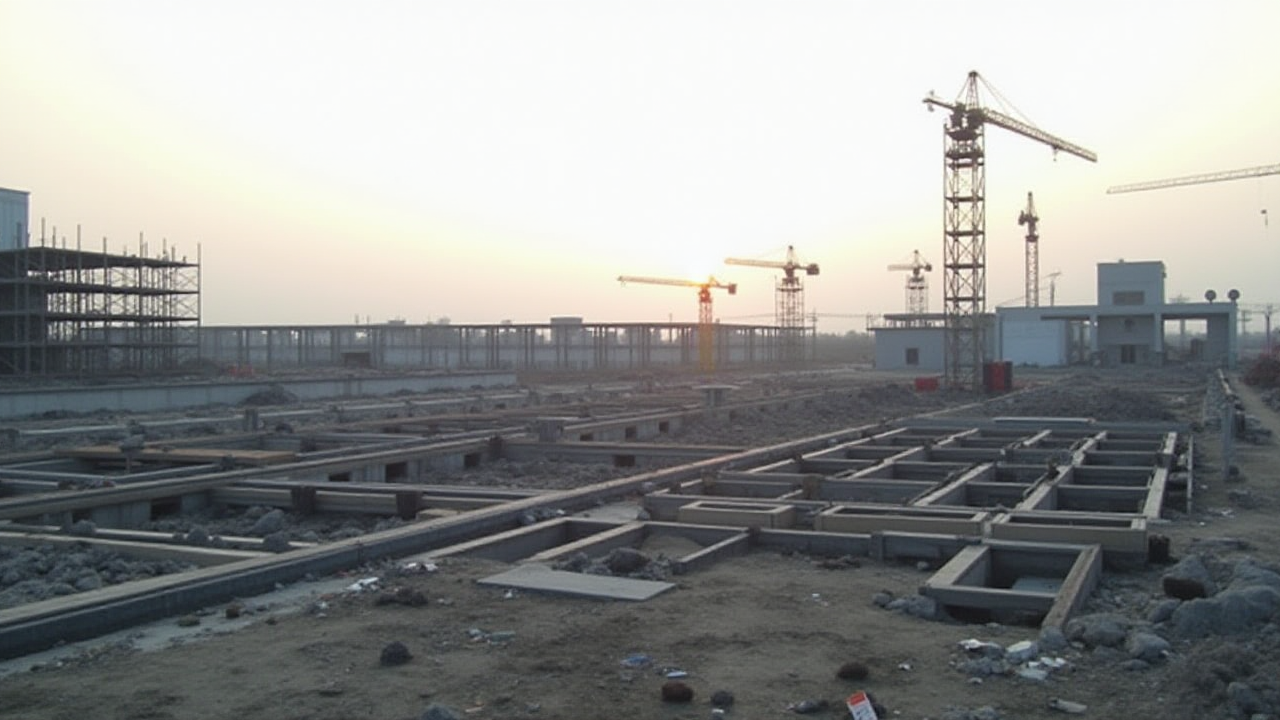
Modular, scalable deployment models enable hydrometallurgical recycling infrastructure development aligned with growing waste battery availability, avoiding overbuilding risks associated with large centralized facilities constructed based on long-term demand projections that may prove inaccurate. According to industry analysis, modular systems can be installed adjacent to battery manufacturing facilities, minimizing transportation costs and carbon footprints while enabling rapid material return to production cycles. This geographic proximity facilitates close collaboration between recyclers and cell manufacturers regarding material specifications, quality control protocols, and continuous improvement initiatives optimizing recycled material performance in production environments.
Carbon Footprint Implications and Environmental Performance Advantages
Recycled material utilization delivers substantial carbon footprint reductions compared to virgin material production, creating environmental performance advantages extending beyond regulatory compliance to encompass corporate sustainability commitments and customer environmental preferences. Life cycle assessment research commissioned by Transport & Environment demonstrates that recycling nickel-manganese-cobalt battery packs in Europe using average grid electricity produces 19% lower carbon dioxide emissions compared to lithium hydroxide production from Australian spodumene ore refined in China. These emissions reductions derive primarily from avoiding energy-intensive mining, ore beneficiation, and pyrometallurgical refining processes required for virgin material production, with hydrometallurgical recycling's chemical processing proving less carbon-intensive despite substantial energy requirements.
Carbon footprint advantages grow substantially as European electricity grids decarbonize through renewable energy deployment, with recycling facilities powered by wind, solar, and hydroelectric generation achieving near-zero operational emissions compared to fossil fuel-intensive mining and refining operations. Advanced recycling processes incorporating waste heat recovery, chemical reagent recycling, and process electrification using renewable electricity demonstrate potential for carbon footprint reductions exceeding 50% compared to virgin material production. These environmental performance improvements create positive feedback loops where high recycled content batteries achieve superior carbon footprint declarations, potentially commanding market premiums from environmentally conscious customers and supporting manufacturer marketing campaigns emphasizing sustainability leadership.
The regulation's carbon footprint declaration requirements becoming mandatory in 2025 create transparency enabling comparative environmental performance assessment across competing battery products, with manufacturers achieving low carbon footprints through high recycled content utilization gaining differentiation advantages. Maximum carbon footprint thresholds taking effect in 2028 establish absolute limits potentially excluding high-emission production processes from European markets regardless of cost competitiveness, creating additional incentives beyond recycled content mandates for manufacturers to maximize secondary material utilization. Combined recycled content and carbon footprint requirements consequently drive convergent industry evolution toward circular production models minimizing both virgin material consumption and manufacturing emissions.
Global Regulatory Influence and International Harmonization Prospects
European recycled content mandates establish global precedents likely influencing battery regulation development in other major markets including the United States, China, Japan, and Korea as policymakers worldwide address similar concerns regarding critical mineral supply security, environmental sustainability, and circular economy transition. The regulation's comprehensive lifecycle approach covering production sustainability, use-phase performance, and end-of-life management creates integrated frameworks that other jurisdictions may adapt to local circumstances while maintaining sufficient compatibility to facilitate international trade in batteries and battery materials. Multinational battery manufacturers serving multiple geographic markets increasingly adopt European requirements as de facto global standards, finding unified compliance approaches more efficient than maintaining divergent production processes and supply chains for different regulatory regimes.
United States policy development through the Inflation Reduction Act's battery material sourcing requirements and proposed critical mineral recycling regulations demonstrates convergent thinking regarding domestic supply chain development and circular economy implementation, though American approaches emphasize Western Hemisphere sourcing and free trade agreement partner materials rather than specifically mandating recycled content percentages. Chinese regulations similarly advance recycling requirements and extended producer responsibility systems, though with greater emphasis on manufacturing waste recovery given China's dominant position in global battery production and corresponding substantial scrap generation. Potential harmonization across these major markets could create globally integrated secondary material trading systems with standardized quality specifications and verification protocols enabling efficient cross-border recycled material flows.
However, regulatory divergence risks remain substantial, particularly regarding specific percentage thresholds, timeline variations, and eligible material definitions. If European, American, and Asian requirements impose incompatible obligations, manufacturers may face complex optimization problems balancing competing regulatory demands while maintaining economic competitiveness across regional markets. Industry advocacy consequently emphasizes international coordination through organizations including the Global Battery Alliance and various International Organization for Standardization technical committees developing battery sustainability standards, circular economy metrics, and supply chain transparency protocols that could form foundations for eventual regulatory harmonization.
Strategic Implications for Battery Manufacturing and Investment Decisions
Recycled content requirements fundamentally alter battery manufacturing investment calculus, with facility location decisions increasingly incorporating considerations of recycling infrastructure proximity, waste battery collection system maturity, and regional regulatory frameworks supporting circular economy development. European gigafactory investments gain strategic advantages from continental recycling capacity buildout and supportive policy environments, while manufacturers evaluating Asian or American production locations must assess whether comparable recycling ecosystems will develop sufficiently to enable regulatory compliance for European-destined products. Some manufacturers pursue multi-region production strategies with dedicated European facilities serving the continent's market specifically to optimize recycled content compliance while maintaining lower-cost Asian production for markets with less stringent requirements.
Research and development priorities shift toward battery chemistries and cell designs optimized for recyclability, with manufacturers recognizing that design decisions made today determine recycling economics and material recovery rates five to fifteen years hence when today's batteries reach end-of-life. Standardized cell formats, simplified construction architectures, reduced adhesive utilization, and modular pack designs facilitating automated disassembly all enhance recycling efficiency and reduce processing costs, creating indirect value through lower recycled material prices benefiting manufacturers repurchasing secondary materials. Some leading manufacturers establish design-for-recycling protocols mandating that new battery development programs incorporate recyclability assessments alongside traditional performance, cost, and safety evaluations.
Partnership strategies increasingly emphasize vertical integration or long-term contractual relationships spanning battery production, use-phase management, collection systems, and recycling operations, creating closed-loop ecosystems where manufacturers retain ownership of valuable materials throughout multiple product lifecycles. Northvolt's integrated model combining gigafactory production with dedicated Revolt recycling facility exemplifies this approach, while other manufacturers pursue contractual alternatives including exclusive offtake agreements with independent recyclers or joint venture arrangements sharing investment risk and operational control. These closed-loop strategies prove particularly valuable for manufacturers pursuing premium market segments where sustainability credentials and circular economy leadership justify investments in dedicated recycling infrastructure exceeding minimum regulatory compliance requirements.
Enforcement Mechanisms and Compliance Verification
Robust enforcement provisions ensure recycled content requirements drive genuine material substitution rather than enabling cosmetic compliance through fraudulent documentation or creative accounting. Market surveillance authorities across European Union Member States possess broad investigatory powers examining manufacturer compliance through facility inspections, documentation reviews, material sampling and analytical testing, and supply chain audits verifying claimed recycled content authenticity. Non-compliant batteries face market access prohibition, product recalls, and substantial financial penalties calibrated to eliminate economic advantages gained through non-compliance, creating strong deterrent effects against attempts to circumvent regulatory obligations.
Third-party conformity assessment by notified bodies provides independent verification that batteries meet all regulatory requirements including recycled content thresholds before market placement authorization, with manufacturers unable to self-certify compliance for regulated battery categories. These verification processes examine complete supply chain documentation tracking recycled materials from waste battery collection through recycling facility processing to incorporation in new battery production, validating that claimed recycled percentages reflect genuine material substitution rather than accounting manipulations. Analytical testing protocols enable verification of recycled content claims through isotopic analysis, trace element profiling, and other forensic techniques capable of distinguishing virgin from recycled materials.
Industry self-regulation through trade associations and voluntary certification schemes supplements governmental enforcement, with manufacturers recognizing that non-compliant competitors undermine legitimate market participants making substantial investments achieving genuine compliance. Some industry groups establish enhanced verification standards exceeding minimum regulatory requirements, creating differentiated certification marks that manufacturers can promote to environmentally conscious customers seeking assurance of superior sustainability performance. These voluntary initiatives demonstrate industry commitment to circular economy principles while creating competitive pressures discouraging non-compliance by establishing market expectations exceeding baseline regulatory obligations.
Economic Impact on Recycling Industry Investment and Capacity Development
Recycled content mandates create unprecedented investment certainty for battery recycling facility development, transforming recycling from optional waste management activity dependent on commodity price fluctuations into structurally profitable industrial operation supplying materials to manufacturers facing legal procurement obligations. This fundamental shift in recycling economics catalyzes substantial capital deployment in advanced processing infrastructure, with Transport & Environment identifying over 30 material recovery projects announced across Europe by 2030 representing combined processing capacity of approximately 780 kilotonnes of batteries annually. Major industry participants including Northvolt, Umicore, BASF, Aurubis, Fortum, Orano, and Altilium lead capacity development, with investments totaling billions of euros in hydrometallurgical processing facilities, chemical purification equipment, and quality control laboratories.
However, execution risks remain substantial, with Transport & Environment analysis indicating 44% of announced capacity faces delay or cancellation risks due to project complexity, high capital and operational expenditures, financing challenges, and extended permitting timelines. European recycling facilities face competitive pressures from Chinese operations benefiting from lower energy costs, established technical expertise, and favorable policy support, creating cost disparities that threaten European project viability absent policy interventions leveling competitive conditions. Strategic project designations under the Critical Raw Materials Act, financial support through the European Innovation Fund and InvestEU programs, and operational subsidies through extended producer responsibility fee structures all contribute to European recycling industry competitiveness enhancement.
The regulation's long-term visibility regarding recycled content requirements through 2036 and potential extensions thereafter provides investment planning horizons justifying capital-intensive recycling facility development with extended payback periods. Investors recognize that recycled content mandates create structural demand persisting regardless of primary commodity price fluctuations that historically created boom-bust cycles undermining recycling investment economics. This demand certainty supports project financing at favorable terms, with lenders viewing regulatory obligations as creating quasi-contracted offtake arrangements reducing merchant market exposure risks typical of commodity-dependent operations. Some recyclers consequently achieve investment-grade credit ratings enabling lower-cost debt financing previously unavailable to recycling operations perceived as speculative commodity plays.
Future Regulatory Evolution and Adaptive Management Considerations
The European Commission committed to reviewing recycled content targets by 2028 based on market conditions, technology progress, and material availability assessments, creating structured opportunities for evidence-based target adjustments if initial projections prove inaccurate or circumstances change substantially. This review mechanism acknowledges inherent uncertainty in long-term battery market evolution, recycling technology development trajectories, and end-of-life battery availability growth rates, providing regulatory flexibility preventing economically devastating supply shortages or technically impossible compliance requirements if fundamental assumptions prove incorrect. However, adjustment procedures require rigorous demonstration of genuine constraints rather than mere industry preference for relaxed standards, maintaining regulatory ambition while incorporating adaptive management principles.
Potential regulatory expansions could incorporate additional materials beyond current cobalt, lithium, nickel, and lead mandates as battery chemistry evolution emphasizes alternative elements including manganese, iron, phosphorus, and graphite. Manganese recycling gains particular importance as lithium-manganese-rich nickel-manganese-cobalt and lithium-manganese-iron-phosphate chemistries capture growing market shares, while graphite recovery from anode materials addresses supply chain vulnerabilities in markets dominated by Chinese natural and synthetic graphite production. Future regulations may also establish recycled content requirements for sodium-ion batteries as this chemistry achieves commercial deployment, creating comprehensive circular economy frameworks spanning all battery technologies rather than focusing exclusively on lithium-ion systems.
Digital battery passport evolution will likely incorporate enhanced functionality beyond current recycled content verification, potentially including real-time state-of-health monitoring, remaining useful life predictions, and second-life application suitability assessments enabling optimized cascade utilization before ultimate recycling. Advanced passport systems could facilitate automated waste battery sorting, with digital records providing immediate chemistry identification and processing route recommendations maximizing recovery efficiency. Integration with blockchain or distributed ledger technologies may enhance chain-of-custody authentication, preventing fraudulent recycled content claims through immutable transaction records tracking materials from collection through processing to reincorporation in new batteries. These technological enhancements create increasingly sophisticated regulatory frameworks supporting circular economy implementation with minimal administrative burden through automated compliance verification and transparent material tracking.

.svg)